
All Articles
Metals to Keep Us Healthy!

Many metals and metal ions are toxic to humans, especially when present in high quantities. Famous examples are heavy metals such as mercury (Hg) and lead (Pb) and non-heavy metals such as arsenic (As) and selenium (Se). But do you know that certain metals are essential for human health and their deficiency causes serious diseases?
Essential Metals
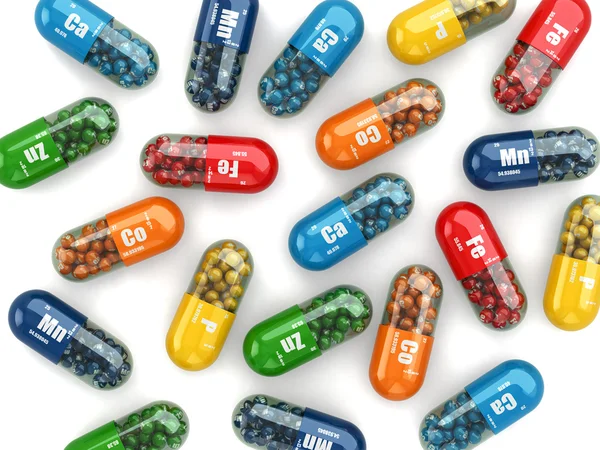
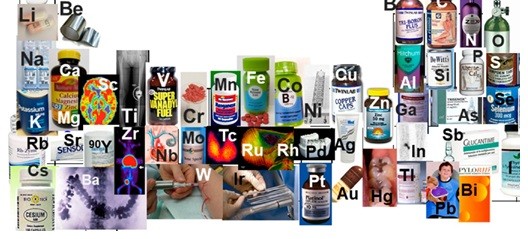
Iron (Fe) is an example of a metal essential to life. Insufficient amounts of iron can cause anemia, a condition in which the body does not have enough healthy red blood cells. Similarly, other essential metals present in human body are sodium (Na), calcium (Ca), potassium (K), magnesium (Mg), manganese (Mn), cobalt (Co), copper (Cu), zinc (Zn), and molybdenum (Mo). These metals are integral to human life, participating in various biochemical functions. Their deficiency can cause serious diseases, while their excess can also be toxic.
Metallodrugs
In addition to the essential metals, there are other certain metals or metal complexes that play important roles in keeping us healthy. They have specific properties enabling to use them as medicine: we call them metallodrugs or metallopharmaceuticals! Cisplatin, a platinum (Pt) complex, and Auranofin, a gold (Au) complex, are two well-known metallodrugs used in treating cancer and rheumatoid arthritis, respectively. In addition, certain complexes of lithium (Li; for treating bipolar disorders), silver (Ag; as antimicrobials), zinc (Zn; as antimicrobials) and bismuth (Bi; as broad-spectrum antibiotics) are some other members of the metallodrug family.
Some metallodrugs belong to a special medicinal group called radiopharmaceuticals, as the radioactivity of the metal is used in treatment: Radioactive metals undergo spontaneous emission of small particles or radiation with time. When these radioactive metals are placed near the cancerous tissues or tumors, the small particles emitted by them collide and destroy the cancerous cells. Some examples are 223Ra (radium-223), 89Sr (strontium-89) and 153Sm (samarium-153), which emit alpha particles and used in treating cancer in bones. Some radioactive metals such as 99mTc (Technetium-99m), 67Ga (Gallium-67), and 111In (Indium-111) are widely used as imaging agents in diagnosing diseases, mainly to detect tumors and cancer cells. Once these radiotracers are taken internally, gamma cameras capture and form images from the gamma radiation emitted by them. 82Rb (Rubidium-82) and 68Ga (Gallium-68) are positron emitters used in PET scanning (positron emission tomography). In addition, paramagnetic metal ions such as Gd(III) are vital in MRI scanning. Moreover, as of today, many metal complexes are being evaluated and have been proposed as probes for fluorescence bioimaging, another mode of diagnosing diseases.
The emerging field of metallodrugs is paving the way for new, effective treatments for a range of diseases, from cancer to infections. These inorganic compounds are a promising frontier in medical science, offering unique mechanisms of action that organic drugs cannot always provide. As the search for safer and more effective drugs continues, metals and their complexes are likely to play an even more critical role in healthcare.

Dr. Kokila Ranasinghe
Senior Lecturer in Chemistry
The Open University of Sri Lanka
